How Community Pharmacies are Closing the Vaccine Gap
Vaccines remain one of the most cost-effective methods for boosting healthcare. However, misinformation in different forms sometimes leads patients to avoid vaccinations, despite their inherent medical value. Simply put, they save lives while also reducing the cost of care.
Community pharmacies, with the pharmacists and community health workers they employ, play important roles in closing this vaccine gap. It’s a situation where focused messaging definitely matters. Once again, reaching underserved and subsequently vulnerable populations improves healthcare outcomes while lowering medical costs.
A recent project combining resources from Missouri Pharmacy Association (MPA), CPESN-Missouri, and CPESN Community Health focused on closing vaccine gaps in the Show Me State. In 2024, Pharmacy Times interviewed Jake Galdo, Seguridad CEO and managing network facilitator for CPESN CH, as well as Annie Eisenbeis, Director of Practice Development at the MPA. This blog post highlights some of the main points covered in their interview.
Community Pharmacists and Community Health Workers on One Team
A core concept of the Missouri vaccine gap program involved connecting with patients within a pharmacy’s medication synchronization program. When a patient arrives to pick up their scripts, a pharmacist or CHW engages them in a 5-15 minute conversation about vaccines. The medical professional covers any potential issues around vaccine eligibility and hesitation, while focusing on the benefits of vaccination.
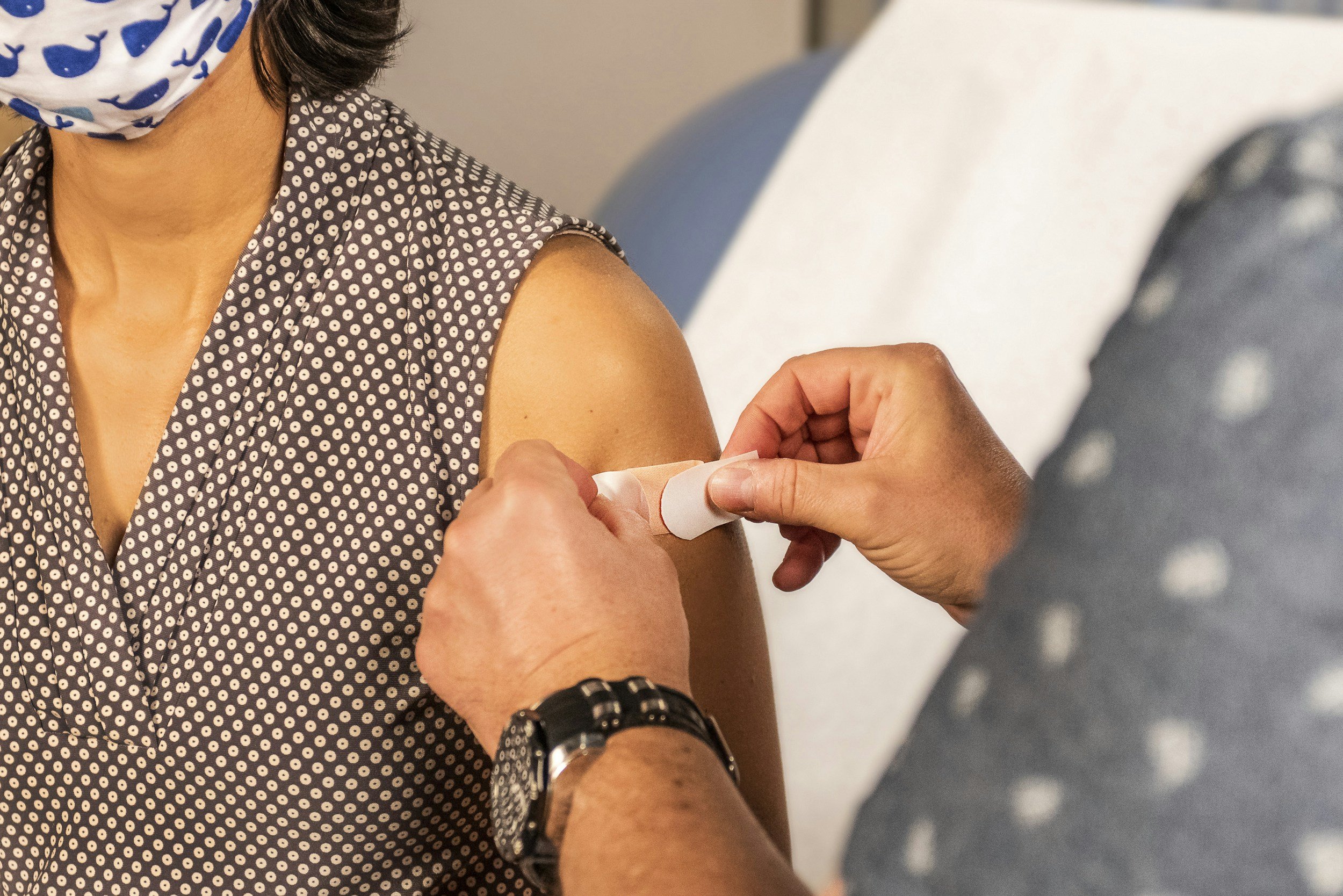
Community pharmacies are helping to close vaccine gaps in rural regions.
Galdo commented on this team of pharmacists, pharmacy technicians, and CHWs working together and why their local connections matter.
“My expertise is understanding medications. My pharmacy technician’s expertise is the production of the medication and triaging issues and helping, you know, maintain access. The CHW’s expertise is understanding their community and the resources in those communities, and so we can all put it all together.
So then imagine the dialog and the change that happens when you have the person educating you telling you, “This is good for your community. I go to your church; I go to your community center. I believe in this. I grew up with you. This is great for you.” And they say, “You know what? I think I do want a vaccine. When should I get it?”
Community Pharmacy making a Positive Impact on the Practice of Healthcare
Not surprisingly, this team-based structure within community pharmacies potentially offers healthcare benefits beyond closing a vaccine gap. Eisenbeis noted this potential during the interview.
“This program highlights the benefit of involving community pharmacy in a whole host of other areas. So again, we said vaccine gap closure program, but this has so many more implications to close gaps in communities that are also maybe dependent on what the gap is in that community, and is it different from this one, and the community pharmacy team being able to close and impact those gaps.
And I think, too, pharmacy has a value add that's not just the medication experts, and this program shows that the entire team can add value to the pharmacy service that impacts the whole health care system through follow-up and monitoring.”
Whether closing vaccine gaps, improving brain health, or helping expectant mothers, community pharmacies play an increasingly important role in improving healthcare. Pharmacists, pharmacy techs, and CHWs working together boost access to medical services across the country. Notably, this emerging approach makes a significant difference in any underserved American healthcare desert.