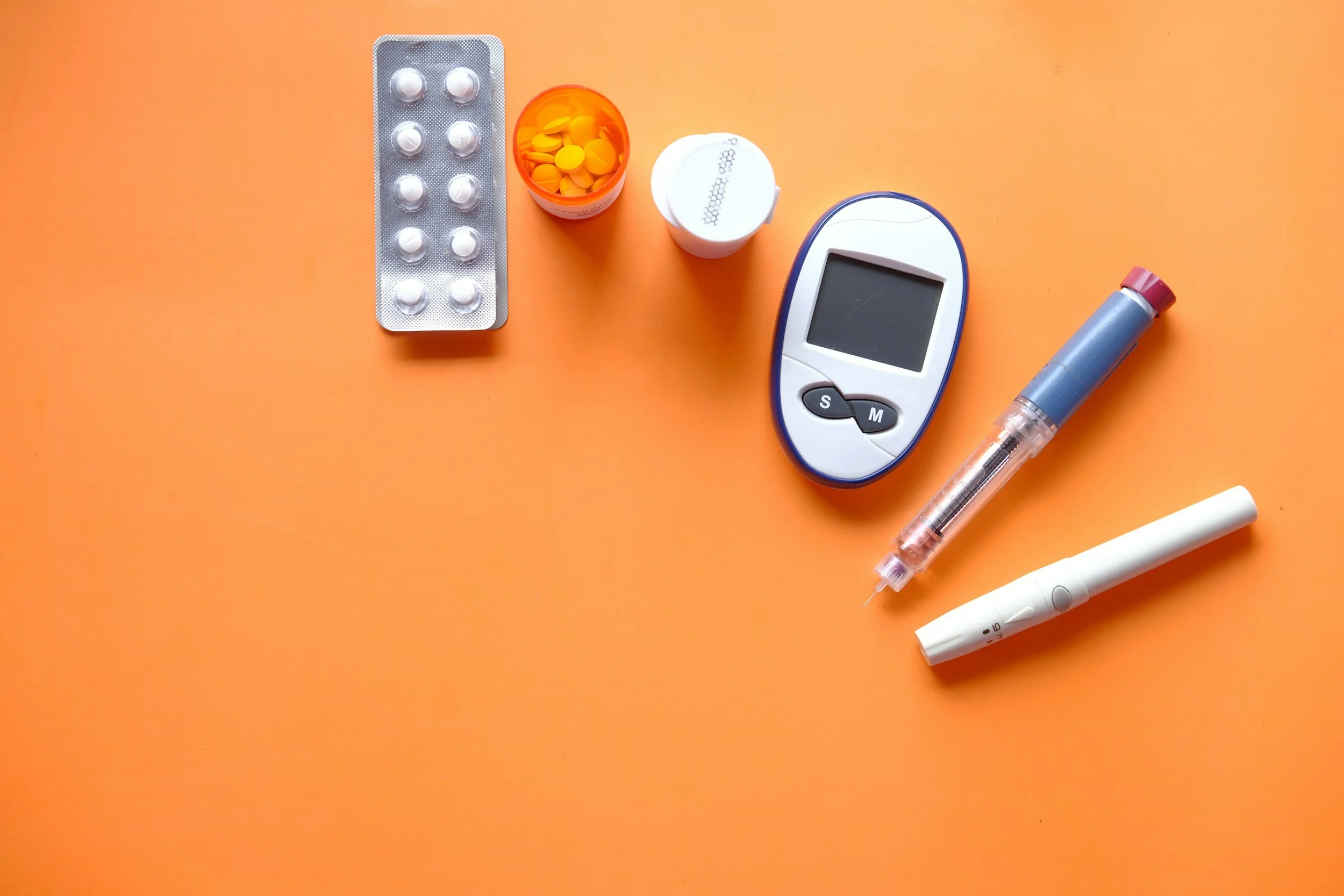
Community Pharmacists are helping Patients with CGM
Continuous glucose monitoring (CGM) is becoming an important medical innovation for patients suffering from diabetes. Additionally, non-diabetes applications for CGM are also on the rise. The benefits of CGM are numerous, including avoiding painful fingerstick testing and improved glucose control.
CGM is another area where community pharmacies and the pharmacists they employ are making a positive impact. Within healthcare deserts in rural regions, finding primary care providers to manage CGM treatment becomes difficult. As such, community pharmacists again fill a critical healthcare need by providing CGM devices and treatment supervision.
Let’s take a closer look at how community pharmacists play an important role by treating patients using CGM.
The Benefits of CGM
CGM offers a host of benefits for patients, while providing another potential revenue source for community pharmacies. Here are a few of the most important advantages:
· Eliminates fingerstick testing
· CGM devices produce easily shareable data
· Continuous monitoring offers enhanced diagnostic insights
· Optimizes insulin dosing amounts
· CGM device alerts for abnormal glucose levels
· Real-time data helps patients understand the effects of food/exercise on glucose levels
· Supports remote monitoring of glucose levels
This list of benefits highlights how CGM makes a positive impact for patients. It ultimately serves as a more efficacious approach in multiple ways. Data transparency and the ability for remote monitoring of glucose levels serve as two of the most important ones.
Community Pharmacies offering CGM Services to Patients
Community pharmacies hoping to expand their practice to offer more direct care services need to consider CGM. Revenue opportunities exist from both selling CGM devices as well as patient management and support.
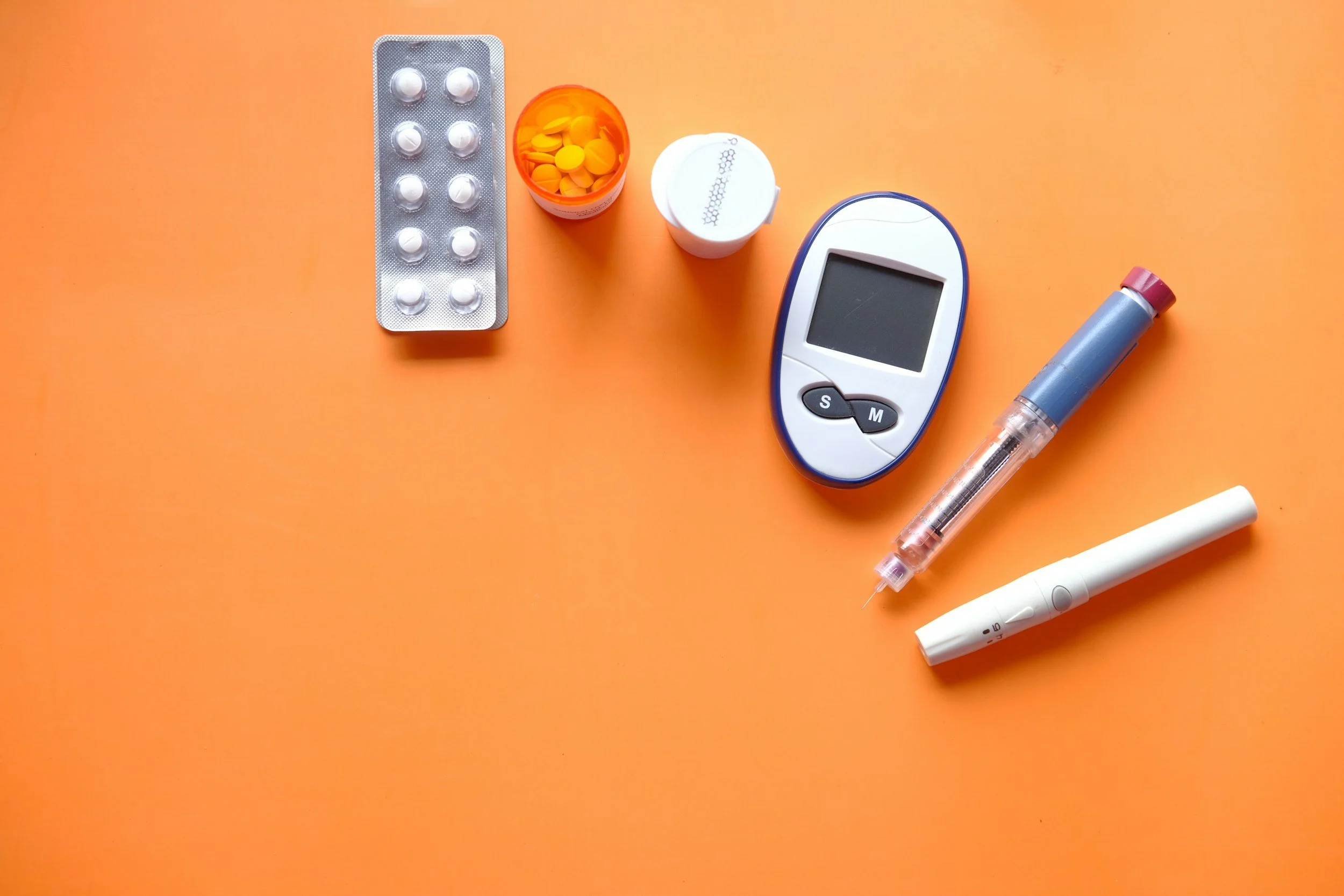
Continuous glucose monitoring offers many benefits to patients.
A recent scoping review of various studies of pharmacists and CGM reported in Pharmacy Times offered interesting insights. For example, it noted some of the surveyed diabetes patients felt overwhelmed by the amount of generated CGM data. Other patients reported that continuous access to their data increased their anxiety.
However, having a pharmacist as part of the CGM process resulted in “significantly improved clinical outcomes for patients.” Pharmacists also leveraged the data generated by the CGM device to optimize a patient’s medications. Notably, deprescribing took place in 11.4 percent of the patients involved in one of the studies.
CGM access also resulted in fewer trips to the emergency room and a decrease in hospitalizations. In short, pharmacist-involved CGM offers another example of community pharmacies contributing by delivering healthcare services beyond dispensing prescriptions.
The Sustainability of CGM in Community Pharmacies
One area of future improvement found in the review of the CGM studies involved data standardization. The authors felt that standardizing the reporting of CGM metrics offered benefits to pharmacist-monitored care. This included an improved ability for pharmacists to assess patient-reported data and the impacts of cost burdens.
Training pharmacy technicians and community health workers (CHWs) in handling various aspects of CGM care also offers benefits. For example, having them manage screening appointments makes community pharmacy operations more efficient and profitable. This allows the pharmacist to focus on the CGM-related tasks required by law to be performed by a pharmacist.
In the end, CGM offers significant benefits to patients compared to older techniques based around a fingerstick. For the community pharmacies, partnering with a clinically integrated network like CPESN also simplifies billing, subsequently improving profitability. It’s the right prescription for improved patient care while fostering long-term independent pharmacy success.