Helping Expectant Mothers Thrive with the MOMS Program
Sadly, the state of Mississippi suffers from some of the worst maternal-infant outcomes in the United States. Its infant mortality rate of 9.7 deaths for every 1000 births ranks near the bottom of the entire country. Not surprisingly, over half of Mississippi’s counties are considered to be maternal health deserts.
There simply has to be a better way!
The MOMS: Medications Optimizing Maternal Safety™ program aims to improve maternal-infant health in Mississippi. It achieves this goal by leveraging community pharmacies to expand care into the state’s regions lacking meaningful healthcare resources. The program offers another example of why community pharmacy plays a key role in improving healthcare in underserved regions.
The Community Pharmacy as a Maternal Care Provider
The MOMS program places community pharmacies in a role of extending maternal care throughout Mississippi. This approach makes sense considering the increasing importance of pharmacies providing patient care services wherever the need exists. The services offered to maternal patients include:
· Providing OTC Prenatal Supplements
· Providing Preeclampsia Prophylaxis with Low-dose Aspirin as Needed
· Offering Structured Trimester Assessments of Maternal Patients
· PHQ-9 Depression Screening
· Blood Pressure Monitoring
· Vaccine Assessment/Administration
· Full Documentation using the Pharmacist E-care Plan Data Standard for CQI
The organizations leading the MOMS program include the Community Pharmacy Enhanced Services Network Mississippi (CPESN MS) and CPESN Community Health (CPESN CH), with support from the Community Pharmacy Foundation (CPF). All three understand the emerging relevance of the community pharmacy’s role in providing patient care.
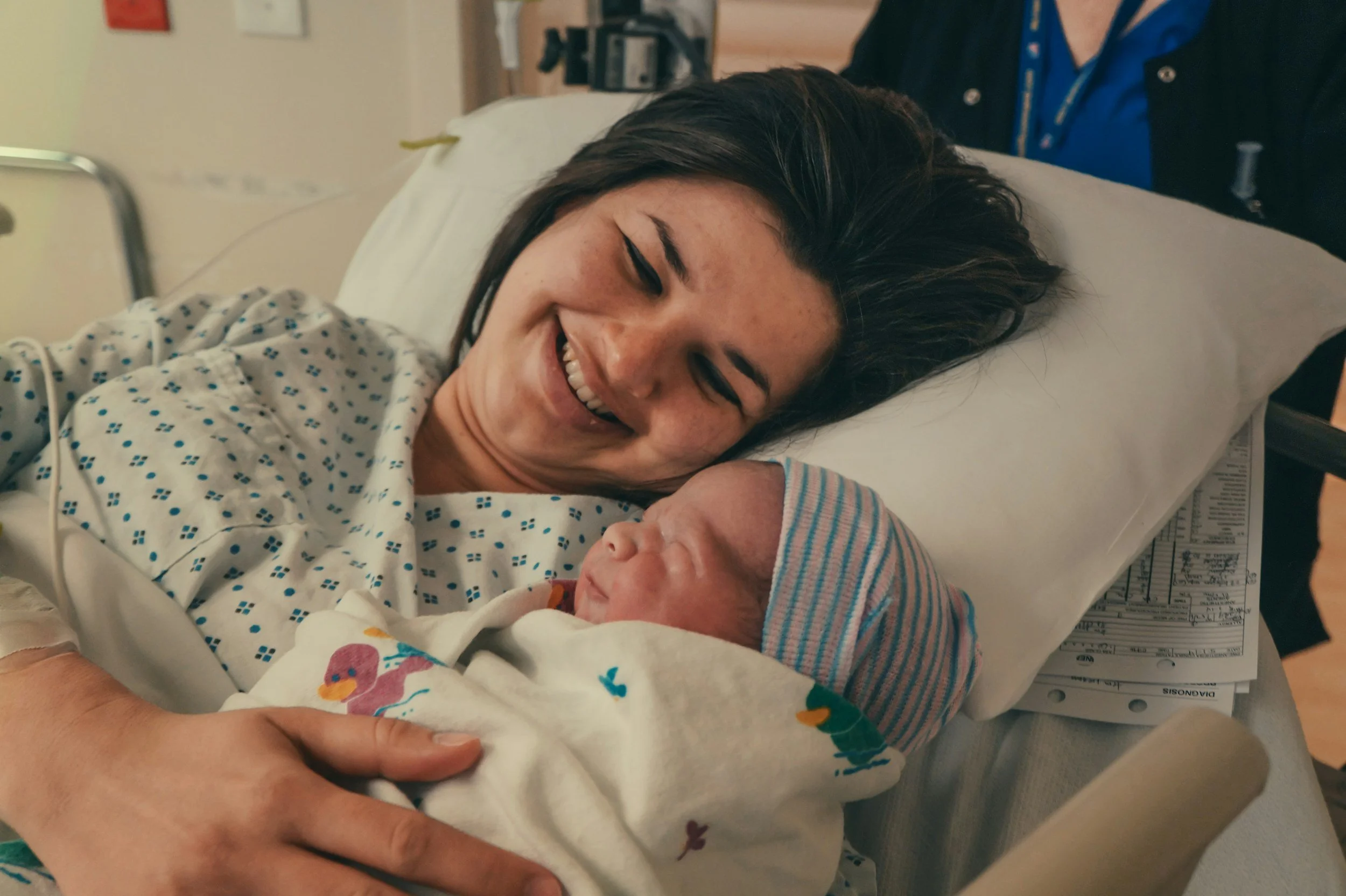
The MOMS Program focuses on helping expectant mothers.
MOMS’ pilot implementation used 3 Delta pharmacies located within the state. It resulted in over 100 encounters with 43 patients. 84 percent of those encounters occurred within the first 16 weeks of a patient’s pregnancy. Notably, personnel (pharmacists, pharmacy technicians, or community health workers) delivered the patient services in-pharmacy, at-home, or over telehealth.
A MOMS Patient gets the Maternal Health Help She Needed
An example patient detailed in the Pharmacy Times article on MOMS highlights how the program made a positive impact. The patient, aged 24 and in her 15th week of pregnancy, received a pharmacy referral from a local women’s health center. New to the health care system, she lacked a primary care doctor, insurance, prenatal care, and money.
Thankfully, the MOMS program included the pharmacy for which the patient received a referral. Love’s Pharmacy, part of the CPESN MS, regularly provides patient care services beyond merely dispensing drugs. As a result of her referral, the patient regularly received prenatal vitamins and iron, screenings, and other critical health services. The pharmacy also intervened to help manage her health-related social needs.
This critical assistance made a positive impact on the patient and her newborn. After completing MOMS, the staff at Love’s were delighted to be visited by this patient and her healthy newborn daughter.
Meaningful Findings from the MOMS Program
Not surprisingly, over two-thirds of the patients in the MOMS program suffered from a variety of health-related social needs. These included the following:
· Transportation
· Housing Instability
· Language Issues
· OB-GYN Accessibility
· Medicaid Enrollment
As necessary, pharmacy personnel staged interventions to ensure the handling of each patient’s special needs. The Pharmacy Times article on MOMS ranked this as the most meaningful finding from the MOMS outcome data.
Additionally, the fact that 84 percent of all patient encounters happened within the first 16 weeks of a patient's pregnancy also mattered. It allowed pharmacy personnel to make a positive impact early in a pregnancy. In addition to managing their social needs, ensuring each patient received prenatal care, including screenings, offered critical clinical support.
Notably, the Community Pharmacy Foundation recently expanded MOMS to include more pharmacies, helping patients throughout Mississippi. CPESN MS also uses MOMS as an example illustrating how community pharmacy makes a difference where it matters the most.