The Rural Health Transformation is Here
The Rural Health Transformation (RHT) Program aims to strengthen healthcare provided to rural regions across the United States. The federal government created this program to improve access to health services in these traditionally underserved areas. Significant investments in the billions of dollars hope to make a long-term improvement in the rural healthcare delivery ecosystem.
Check out the Center for Medicare and Medicaid Services (CMS) webpage, which provides a high-level overview of the RHT. It also includes links to a collection of useful resources at the bottom of the page.
The program’s funding includes $50 billion allocated to states over the next five fiscal years. This means $10 billion of funding is available each fiscal year, from 2026 to 2030. 50 percent of the $50 billion is divided equally among all approved states. The rest is allocated by CMS based on a variety of factors. These include rural population, the proportion of rural health facilities in the State, and other factors to be specified by CMS.
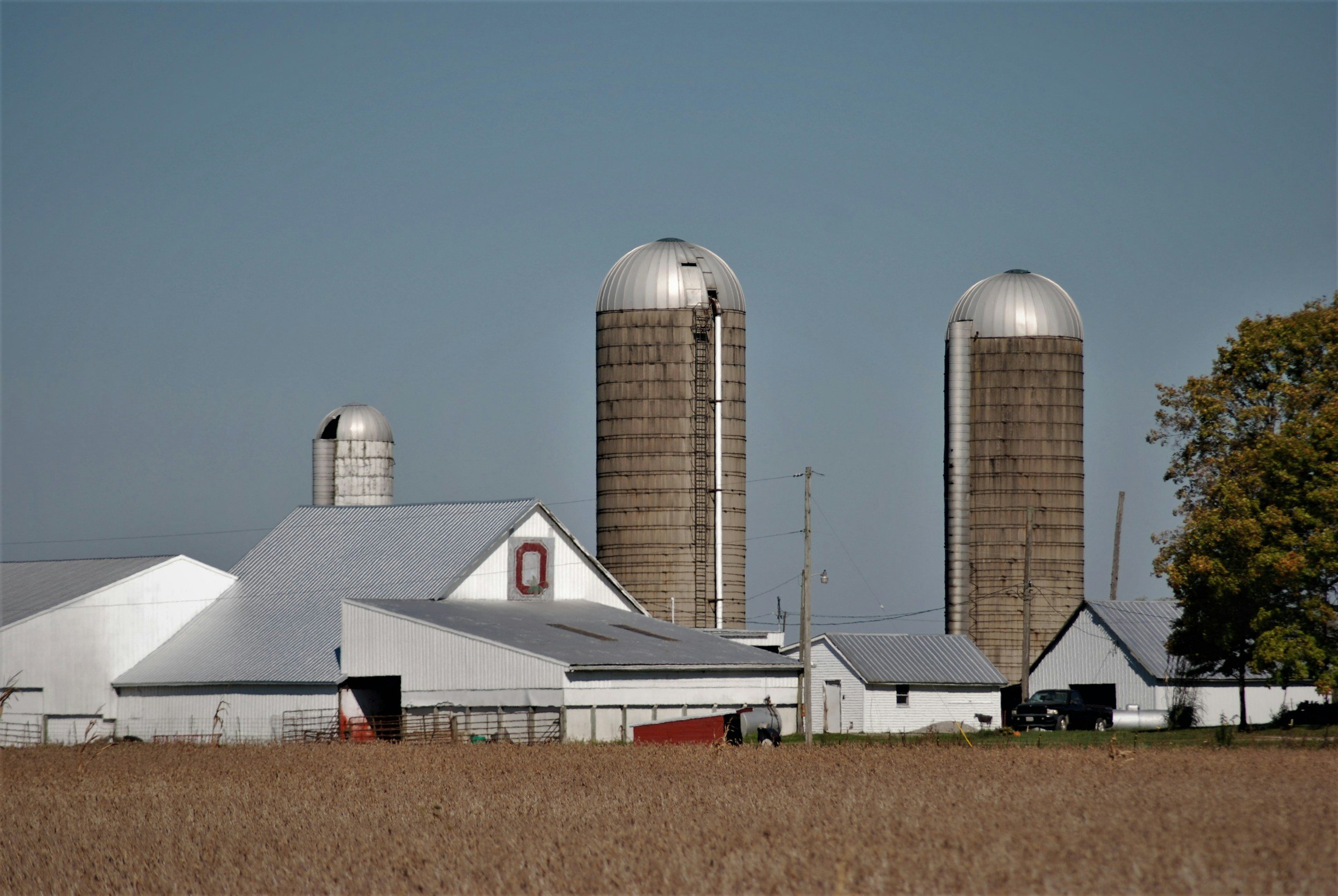
The Rural Health Transformation Program affects the entire country, including Ohio.
Not surprisingly, community pharmacies expect to play a critical role in the ultimate success of the RHT program. In areas where local hospitals are scarce, a pharmacy remains a patient’s closest provider of healthcare services. Let’s examine how the community pharmacy stands poised to use these funds to improve the health of rural America.
The Potential Impacts of the RHT Program at the Community Pharmacy Level
Once again, the funds from the RHT are awarded separately to each state. As a result, the pharmacy-level impacts and benefits from this funding vary on a state-by-state basis. The National Alliance of State Pharmacy Associations (NASPA) provides a webpage detailing each state’s plans for their RHT funds. Here is a sampling of some of the current goals at the time of this writing.
Notably, multiple states plan on using the RHT funding to expand their pharmacies’ scopes of practice. Remember, more community pharmacies are now providing patient care services across the country, especially in underserved regions. As such, expect this to be a common use case.
Somewhat related, other state pharmacy associations plan on using the money to expand their state’s low-cost care offerings. Additionally, some of the more innovative ideas include automated pharmacy kiosks and drone delivery services. One idea involves using AI to reduce errors related to polypharmacy. Expanded use of electronic medical records (EMR) at the pharmacist level is on the docket, as well.
The RHT Program lets Community Pharmacy Shine
Not surprisingly, the National Community Pharmacy Association (NCPA) feels the RHT program gives community pharmacies a chance to shine. Understanding the five goals of this rural health transformation provides insights and inspiration to interested pharmacies.
1. Support rural health initiatives and create new access points to patient care.
2. Allow current rural health providers, including pharmacies, to build sustainable and efficient healthcare service offerings.
3. Improve the recruitment and retention of rural-based healthcare professionals, including community pharmacists and community health workers (CHWs).
4. Develop innovative care models with a goal of improving health outcomes, while promoting stronger coordination between healthcare providers.
5. Leverage tech innovations to enhance healthcare delivery, boost medical data security, and provide access to modern digital health tools.
Many forward-looking community pharmacies are already on a path to achieving these five goals of the RHT program. The funding ultimately makes these efforts easier, more efficient, and ultimately more successful. As a result, expect rural healthcare gaps to shrink, with improved patient care as the most important benefit.