Community Pharmacy Outreach Reduces Healthcare Gaps
We checked in. She didn’t check out.
One important lesson learned over the years is that healthcare is local. Telehealth is fine, but eyeball to eyeball is the best. During the COVID pandemic, we saw lots of patients coming to vaccination clinics. What was unseen, however, were those patients who couldn’t come to clinics.
Patient Outreach is Critical for Preventing Poor Health Outcomes
We discovered a population of high-risk, vulnerable patients unable to get to our clinics. They were beset by issues of transportation, housing, substance abuse, poverty, and various other social determinants of health (SDoH) factors. Thus, we had to take these clinics to those patients. It was the right thing to do morally, ethically, professionally, and economically. So we did it!
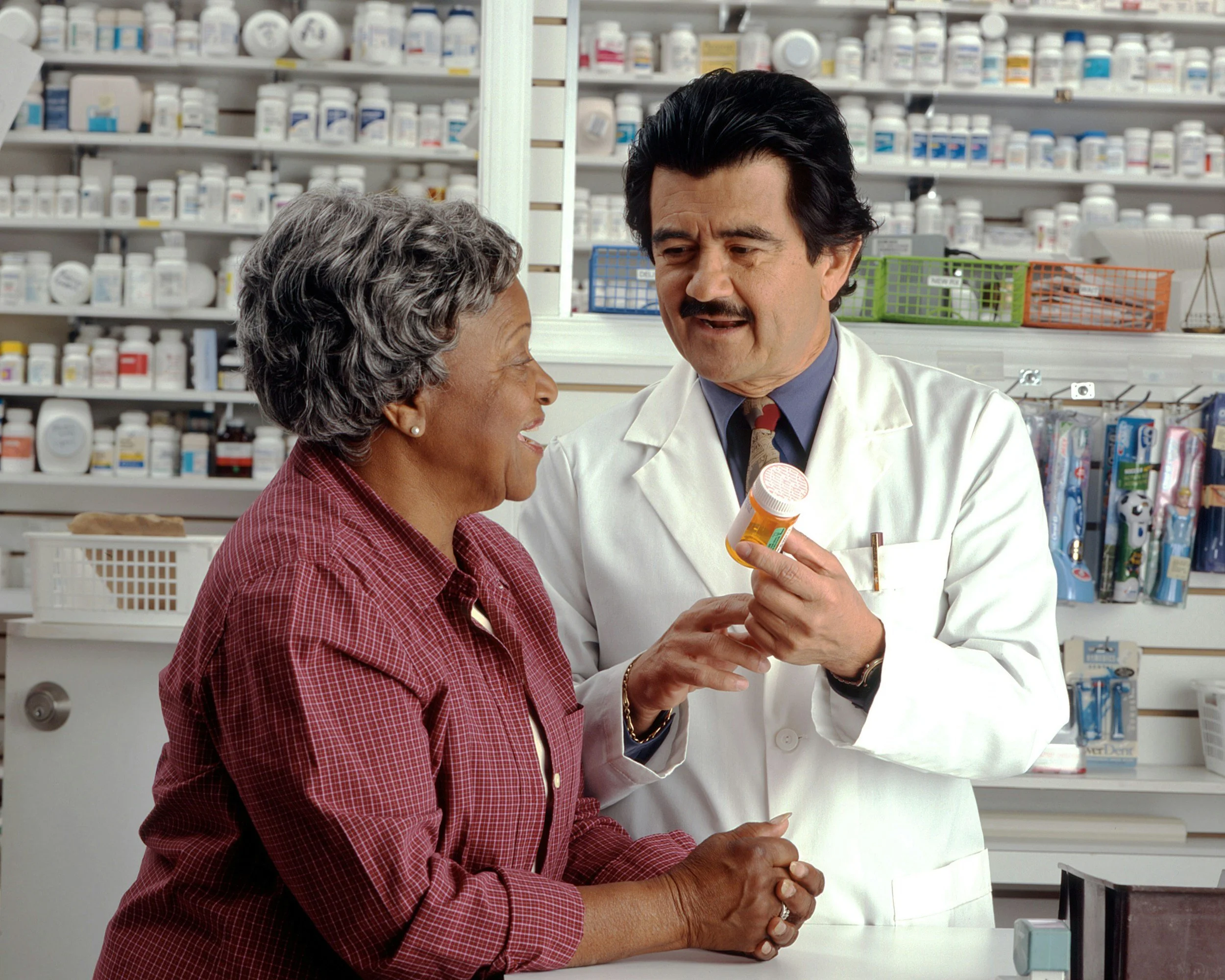
Community pharmacies help close healthcare gaps.
That need still exists, even if slightly smaller after COVID. Many patients cannot overcome their SDoH burdens to make it to clinics. So we must meet them where they live.
This patient outreach is critical. Why? Because if we don’t meet them in person, these underserved patients suffer poor health outcomes, becoming an expensive burden to the healthcare system.
Community Pharmacist Home Visits Help Underserved Patients
A week or so ago, one of our pharmacists scheduled a home visit with a patient. This patient is a cancer survivor with insulin-dependent type 1 diabetes and other health issues. She lives alone in public housing, has no reliable transportation, and is dependent upon her family and friends.
Over the past few days, EMS had been called to her house twice to assist with plummeting blood sugar levels; taking her to the local ER once.
As part of our patient outreach, our CHW became aware of her situation, and as directed by our clinical team, engaged the patient about continuous blood glucose monitoring (CGM). That’s when our pharmacist scheduled her home visit. Remember, the patient has no reliable transportation. (That’ll come up again.)
Arriving at the patient’s home, our pharmacist received no response after knocking on her door. A family member stopped by, purely by luck, and they entered the patient’s home to find her unconscious on her couch, bathed in sweat. Her blood sugar was 24 (dangerously low) and headed south. Our pharmacist directed the family member to call 911, then called our pharmacy for a glucagon kit, and began rubbing table sugar on her gums.
Back at the pharmacy, our pharmacist received the call and grabbed a glucagon kit and a CHW. They headed out the door, arriving in minutes, just before the EMS. While our pharmacy team administered glucagon, EMS began setting up a glucose IV. Within minutes, the patient’s blood sugar began to rise, she became lucid, and was able to communicate.
Pharmacists and Community Health Workers are One Team
These are the patients we serve. How would this patient’s story have ended if our CHW hadn’t picked up on two hypoglycemic episodes and been in a position to report that to our pharmacist?
Healthcare needs to go beyond any clinic or pharmacy walls. It needs to go to public gatherings, onto porches, and into living rooms. We need to help people where they live, not just where we work.
The patient had an appointment with her PCP scheduled a few days after this episode. Her PCP is 20 miles away. She has no reliable transportation. (Told you that would come up again.) We worked with her to help her find a transportation solution.
(Point of interest: The PCP has not returned our calls nor responded to any request to discuss this patient with our clinical team. This poor communication will not change until the perception of pharmacists being merely drug dispensers has been replaced with an appreciation of our clinical expertise.)